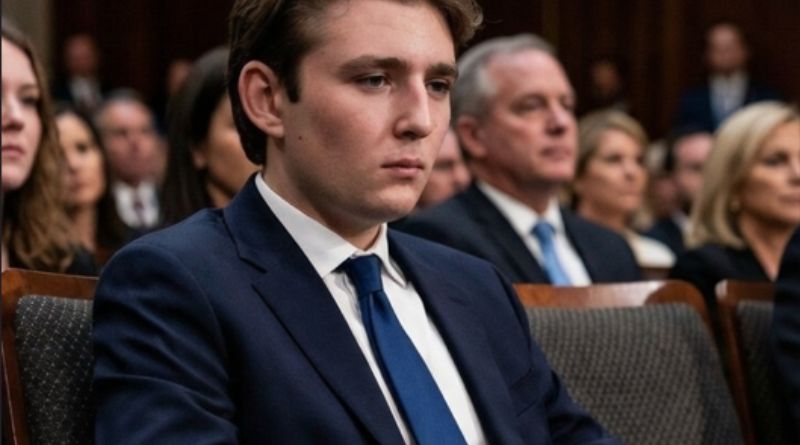
An unexpected social media trend recently saw Barron Trump, the youngest son of the former president, at the center of online debate, with hashtags suggesting his military service. This development ignited heated discussions around themes of fairness, family legacy, and public service, drawing parallels to historical criticisms concerning draft deferments during the Vietnam era. While reflecting strong public emotions about national policy, these online conversations often overlook the fundamental practical and legal realities governing military enlistment in the U.S., decisions that are decisively not made through social media trends.
It is vital to clarify that the United States does not currently have an active military draft; actual conscription would necessitate reinstatement by Congress, though young men are still required to register with the Selective Service System at age 18. Eligibility for military service is determined strictly by established medical and physical standards, which are applied uniformly to all prospective candidates, irrespective of their family background or public status. These include specific physical qualifications like height and weight. Certain specialized roles, particularly those within confined spaces such as aircraft cockpits, armored vehicles, or submarines, enforce maximum height restrictions, often around 6 feet 8 inches, based on equipment design, safety, and operational practicality. Ultimately, military service remains a structured process, guided by objective legal, medical, and physical criteria, rather than public opinion or social media pressure.