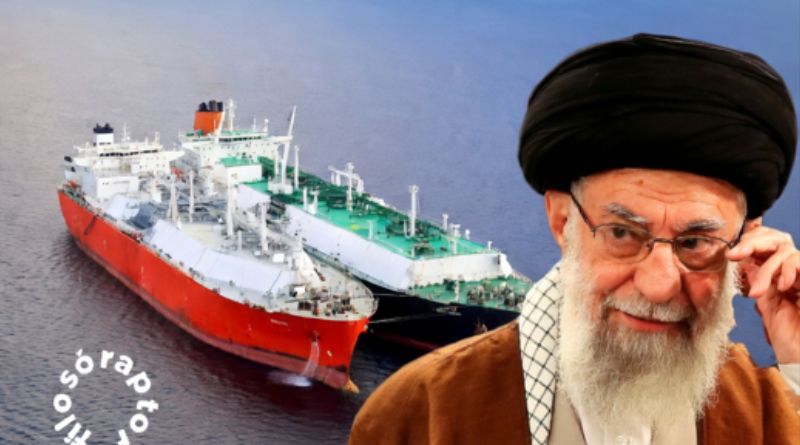
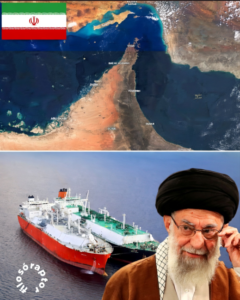
The Strait of Hormuz is one of the most critical chokepoints in the global energy system. At its narrowest point, the passage is only about 34 kilometers wide, yet it carries an enormous share of the world’s energy supply. Roughly 20–30% of global oil shipments and about one-third of liquefied natural gas exports move through this narrow corridor each day, making it a vital artery for international trade.
Tensions have escalated after Iran signaled that its parliament could move to close the strait following U.S. strikes on Iranian nuclear facilities. Any disruption to shipping there would ripple across the global economy. Oil prices could surge within days, affecting fuel costs, transportation, and energy markets worldwide.
For countries like India, which relies heavily on imported energy, the stakes are especially high. A prolonged closure could sharply raise petrol prices, increase shipping costs, and ultimately push up everyday expenses from flights to household goods.