
Supreme Court Curbs California Climate Ambitions Amid Major Deregulation Push
The U.S. Supreme Court has significantly challenged California’s aggressive climate mandates, clearing a path for energy producers to sue the U.S. Environmental Protection Agency (EPA) in a 7-2 ruling. At issue are California’s requirements, including a mandate for electric vehicles to dominate the market by 2035, central to Governor Gavin Newsom’s push for “carbon neutrality.” Justice Brett Kavanaugh, writing for the majority, found these mandates potentially illegal and noted the EPA’s inconsistent legal arguments, granting fuel producers standing to challenge the regulations.
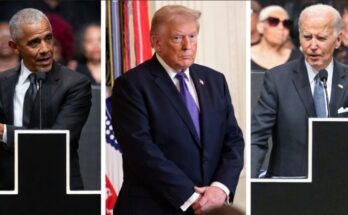
This judicial action coincides with President Donald Trump’s broader initiative to dismantle key components of California’s green agenda. EPA head Lee Zeldin revealed plans to revoke the 2009 Endangerment Finding, which had declared greenhouse gases a public health threat. This finding, established during President Barack Obama’s tenure and utilized by the Biden administration, underpinned regulations, including mandates for nearly all new cars and trucks to be electric by 2032. Critics argue the Clean Air Act, passed decades ago, was never designed to regulate widespread greenhouse gas emissions.
The Endangerment Finding has spurred costly regulations, enabling the EPA to reshape industries without direct voter consensus. While the Biden administration projected long-term savings from EV rules, immediate financial burdens on families and truckers were largely dismissed. Conversely, Trump’s team asserts that rescinding the finding will save approximately $2,500 per car, highlighting the administration’s focus on alleviating what it considers economically stifling climate policies.