In early 2026, a major escalation between the United States, Israel, and Iran triggered one of the most serious crises in recent Middle Eastern history. The confrontation began in late February when U.S. and Israeli forces launched coordinated airstrikes on strategic targets inside Iran. According to multiple reports, these operations included precision strikes on senior Iranian leadership and critical infrastructure. Iranian state media later confirmed that Supreme Leader Ayatollah Ali Khamenei was killed in a targeted strike in Tehran. His reported death marked a historic and destabilizing moment, given his decades-long role as Iran’s highest political and religious authority.
Khamenei’s death reshaped Iran’s internal political dynamics and sent shockwaves across the region. It intensified reactions throughout the Shiite world and forced both allies and adversaries to reassess their strategies. The escalation occurred against a backdrop of longstanding tensions involving Iran’s nuclear ambitions, ballistic missile program, regional proxy networks, and strained relations with Washington and Tel Aviv.
In response to the air campaign, Iran launched waves of retaliatory missile and drone attacks across the region. Targets reportedly included major Israeli cities such as Tel Aviv and Jerusalem, U.S. military bases in Gulf countries including Qatar and Bahrain, diplomatic facilities such as the U.S. consulate in Dubai, and commercial shipping lanes near the Strait of Hormuz. Although regional air defense systems intercepted many projectiles, numerous strikes penetrated defenses, causing civilian casualties, infrastructure damage, and military losses.
As the conflict entered its second week in early March 2026, casualties continued to mount. Reports indicated hundreds of deaths within Iran during the initial strikes, along with dozens of casualties in Israel, Gulf states, and among U.S. personnel. Some American service members were reportedly killed in retaliatory attacks. Civilians throughout the region experienced missile alerts, shelter orders, and disruptions to daily life. Hospitals and humanitarian organizations faced overwhelming demands as they responded to injuries and infrastructure damage.
The economic consequences have been immediate and global. The Strait of Hormuz, through which a substantial share of the world’s oil supply passes, has operated at reduced capacity or faced temporary closures due to security threats. As a result, oil prices surged worldwide, triggering concerns about inflation and broader economic instability. International aviation has also been disrupted, with airlines canceling flights over affected airspace. Global trade and supply chains have been strained by uncertainty in a key energy-producing region.
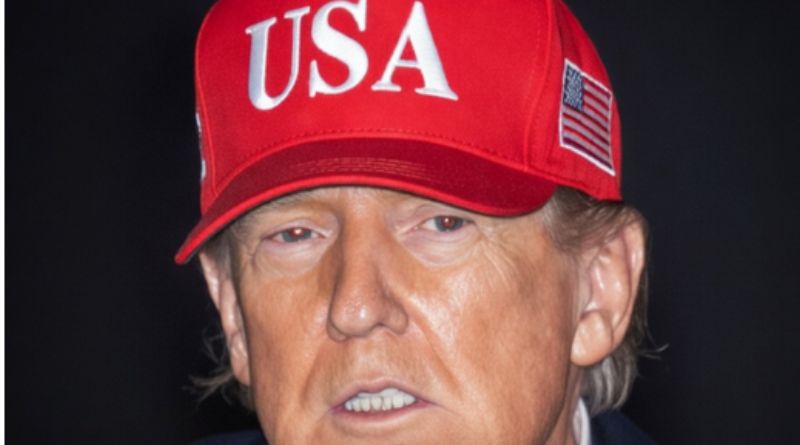
The conflict also brings renewed attention to earlier U.S. policy decisions. In 2025, President Donald Trump revived a “maximum pressure” campaign against Iran, intensifying sanctions and diplomatic pressure aimed at curbing Tehran’s nuclear and regional activities. During a February 2025 press briefing, Trump stated that any direct attack against him would provoke a “catastrophic” U.S. response, emphasizing deterrence. However, there was no verified evidence that Iran had communicated a specific assassination threat. His remarks were widely understood as part of a broader strategy to deter hostile actions against U.S. leadership and interests.
The roots of the 2026 crisis stretch back decades. U.S.–Iran relations have long been strained by disputes over nuclear development, missile programs, and Iran’s support for regional proxy groups such as Hezbollah in Lebanon and Shiite militias in Iraq. The 2015 Joint Comprehensive Plan of Action (JCPOA) sought to limit Iran’s nuclear activities in exchange for sanctions relief, but the United States withdrew from the agreement in 2018 under the Trump administration, arguing that it was insufficient. Tensions escalated in subsequent years, including the 2020 U.S. drone strike that killed Iranian General Qasem Soleimani—an event that foreshadowed the potential for broader confrontation.
The 2026 conflict represents the most direct and intense phase of hostilities since that time. Iranian proxy forces have reportedly engaged in actions aligned with Tehran’s response, expanding the geographic scope of the confrontation. The absence of clear communication channels between the involved parties complicates efforts to prevent further escalation.
International reactions have emphasized restraint and de-escalation. European and Arab governments have expressed concern about the humanitarian toll and the risk of a wider regional war. Several countries issued evacuation advisories for their citizens, while others restricted airspace to protect commercial aviation. Major global powers, including China and Russia, have called for dialogue within established international frameworks, though substantive negotiations appear stalled amid ongoing military operations.
The broader geopolitical implications are profound. The crisis threatens regional stability, international energy markets, and global economic confidence. Analysts warn that the situation remains volatile, with the potential either for further escalation or for gradual movement toward a negotiated ceasefire. The coming weeks will be critical in determining whether diplomatic channels can reduce tensions or whether sustained hostilities will reshape the Middle East’s political landscape.
Ultimately, the 2026 U.S.–Iran confrontation reflects decades of mistrust, strategic rivalry, and unresolved disputes. The human cost, infrastructure destruction, and economic shockwaves underscore the gravity of the moment. Whether the crisis leads to prolonged warfare or eventual diplomatic recalibration will influence not only Middle Eastern geopolitics but global security and economic stability for years to come.